
If you’re wondering when to start a second niche website, the useful question is smaller than it sounds: is your first site doing its job yet? A site that is doing its job gives you a reason to build more. A site that isn’t yet will usually do better with another month of attention than with a sibling competing for your time.
This article gives you a short checklist, a “wait” or “go” answer, and a lower-risk way to expand before you commit to a whole new site.
Why the urge to start something new usually shows up when things feel slow
New ideas are exciting because they have no history. Your first site has a list of unfinished articles and a traffic graph that moves slowly. A new niche has none of that yet, so it looks like it will go faster.

Early results on a new site are slow for everyone, and the same slow stretch will be waiting on site number two. A second site starts the clock over, and it splits your writing time between two projects that both need it.
The pull toward something new is normal and tells you nothing about your ability. If the slow months are what’s bothering you, this piece on why an online business feels slow at the start covers how to keep showing up while results catch up.
Three signs your first site has earned the right to grow
Look for these three. You don’t need big numbers for any of them, and you can check each one honestly in an afternoon.
1. You publish on a steady rhythm
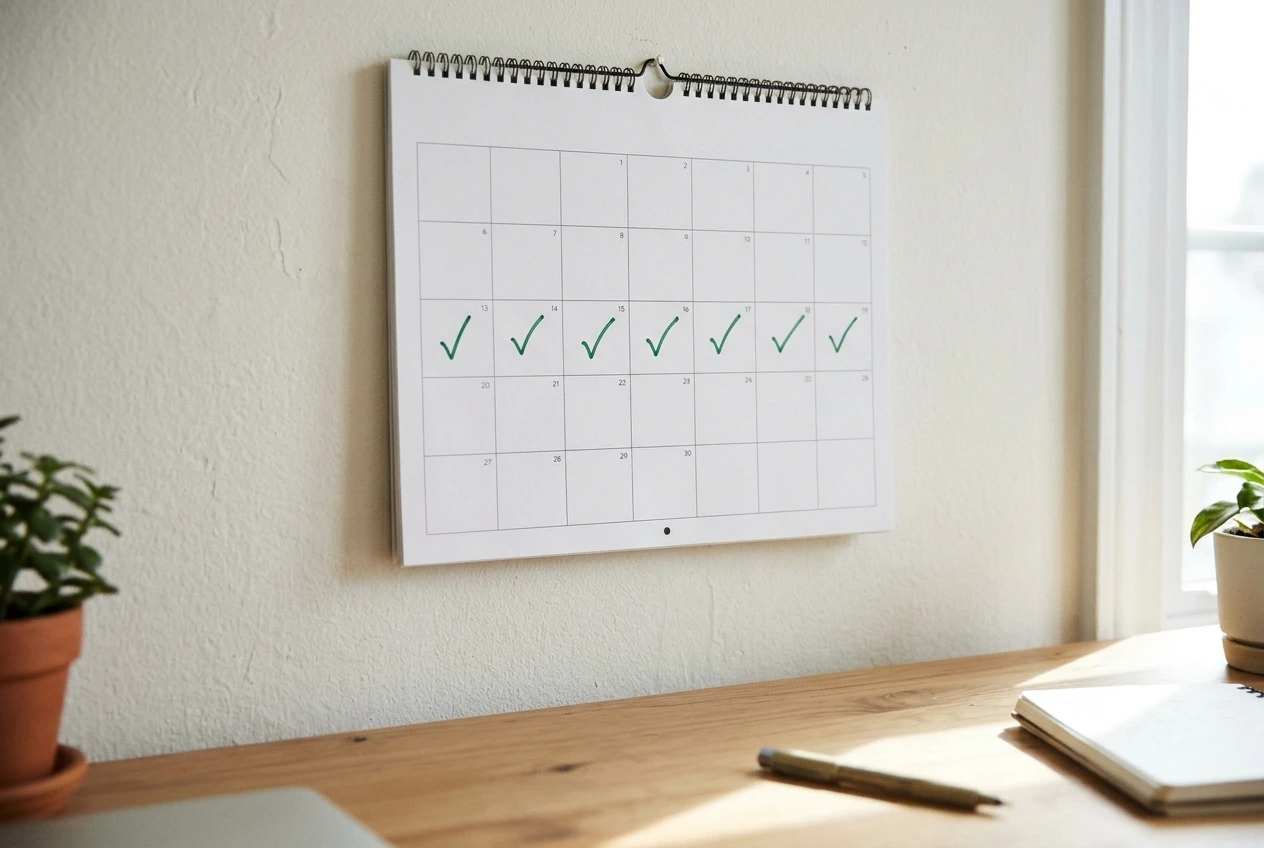
Pick a pace that fits your week, whether that is one article every few days or one a week, and look at whether you’ve kept it for a good stretch. The point is that publishing has become routine. If it still takes willpower every time, a second site will stretch that routine thinner.
2. Real readers are arriving
A small trickle counts. What matters is that you can see people finding specific pages, and ideally which pages they find. That tells you your topic and your way of explaining it connect with someone. Visits that come from search, Pinterest or Facebook all count, because each shows a channel that has started to work.
3. You have a repeatable way to produce an article
You know how to go from a keyword to a published, linked, helpful article without starting from scratch each time. You also know where your affiliate links belong, and you can see which ones get clicked. If you aren’t tracking that yet, here is a free way to see which links get clicked. A process you can repeat is what you’d carry into a new niche, so it needs to exist first.
If all three are true, the answer is go, with the careful approach described below. If one of them isn’t true yet, fix that first before you start anything new.
Three signs the better move is to stay put a little longer
Any one of these is enough to say wait.
- Your first topic isn’t covered yet. If a reader landing on your site would still find obvious questions unanswered, the site has gaps to fill. A thin site on one topic helps fewer people than a complete site on one topic.
- You haven’t connected the site to a way of earning. If your affiliate program is chosen but not yet woven into helpful articles, adding a new topic only gives you more content with no path to income. Get the first path working. This guide on writing reviews that convert is a good place to tighten that up.
- The urge is really about escaping. Notice whether you want to add something or leave something. If the idea of a new site appeals mostly because the current one feels like a chore, a fresh start will feel like a chore in a few weeks as well. A rest, or a change of tasks inside the same site, would serve you better.
There is also a plain scheduling test. If you are already falling behind on the first site, a second one will make that worse.
Try a new pillar on the same site before you build a second one
A pillar is a main topic area of your site, with a group of articles that support it. A site might be organized around getting started, building the site, creating content, getting traffic and earning money, with each area holding its own set of articles.
Adding a pillar gives you a way to test a new direction while staying on ground you’ve already prepared. It has several practical advantages over a new site:
- You keep one domain, one hosting setup and one theme, so there is nothing new to build or maintain.
- The readers who already visit can see the new articles, so you get feedback sooner than you would on a brand-new site.
- If the new topic doesn’t pull its weight, you’ve lost a few articles’ worth of effort, not a whole site.
- Your internal links work in both directions, which helps readers move around.
Here is an example. Say your site helps people brew better coffee at home. A new pillar on grinders or brewing equipment serves the same reader at the next stage of their interest. A pillar on, say, hiking boots would send you in a different direction and belongs on a different site.
That example also shows the line for when a separate site makes sense: the new topic draws a different reader who has little reason to visit your first site. Even then, a second site brings its own domain and hosting along with the time. This breakdown of what scaling really costs covers that money side, so you can weigh it after the pillar test.

How to pick a second topic that connects to the first
The best second topics sit right next to the first one. Run any candidate through these questions:
- Would my current reader need this next? If someone finishes your best article, could this be the one they want afterward?
- Can I recommend something in it honestly? You need an affiliate program or product in this area that you could describe fairly. Your affiliate disclosure should be clear to readers whenever you do.
- Can I list ten article ideas without straining? If you run out at four, the topic is probably too narrow to carry a pillar.
- Does it fit under my site’s name and promise? A reader who lands on the new pillar should not feel they’ve wandered onto a different website.
If you need a refresher on how the first choice was made, this guide to choosing a niche without overthinking it uses the same logic and applies to a second topic as well.
For keywords, do the same research you did the first time. Look for specific questions a beginner in the new area would type into a search box, and write to answer those.
A simple 90-day plan for expanding without dropping what already works
This plan keeps your proven work running while the new pillar gets a fair test. Adjust the numbers to your own pace.
Days 1 to 14: review and choose
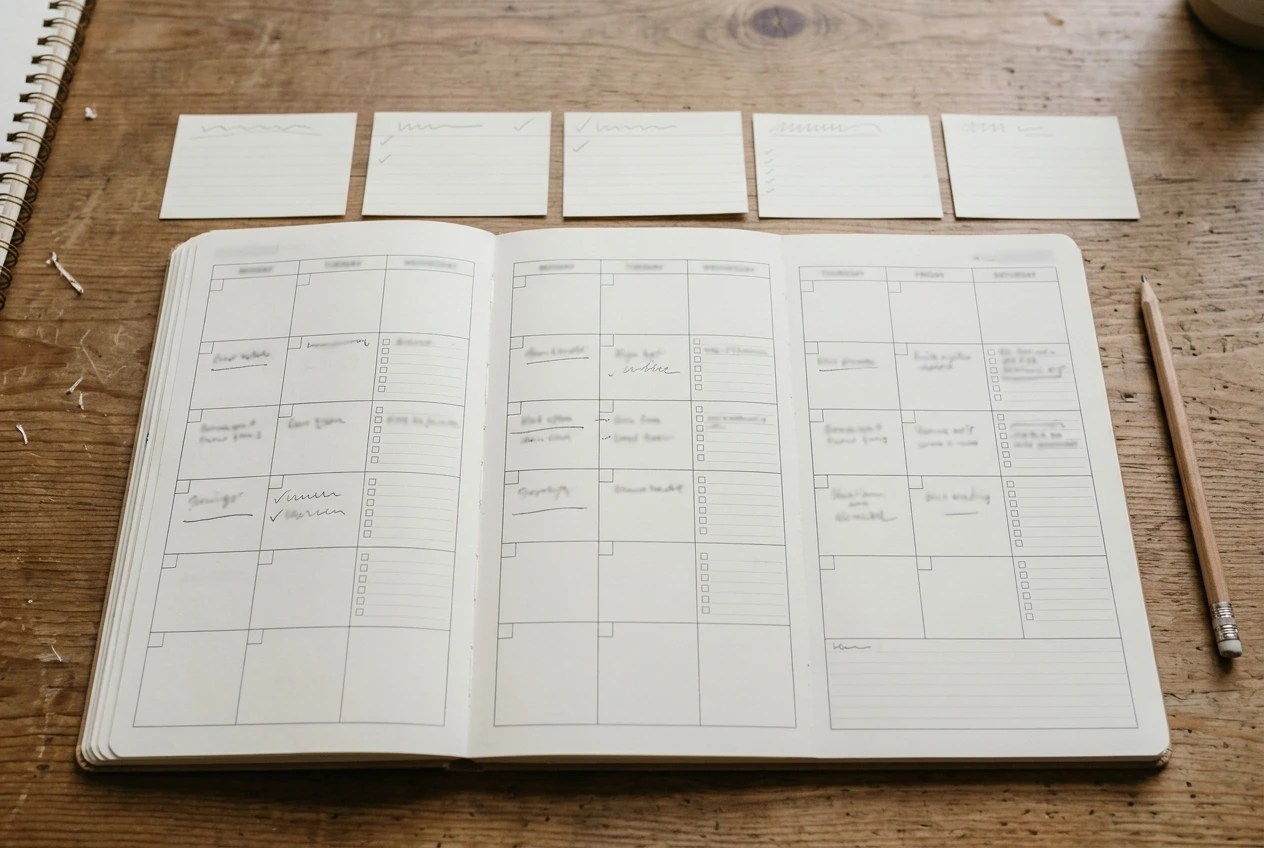
Go through your existing articles and note which ones get visits and which links get clicks. Update any article that is out of date or thin. Then pick your new pillar topic and write a list of ten possible article titles, ordered from the most specific question to the broadest.
Days 15 to 60: build the pillar
Keep most of your writing time on the existing site and give the rest to the new pillar. Publish the new pillar’s most specific articles first, since those are the easiest to rank for and to write well. Link each new article to a relevant older one, and link back from older articles where it helps the reader.
Keep your normal publishing rhythm. If you have to choose between the new pillar and your regular schedule, the schedule wins.
Days 61 to 90: read the signals
Look at the new pillar the same way you looked at the first site. Are readers arriving at those pages? Do any of the new links get clicked? Did the articles feel manageable to write?
Then decide. If the pillar shows life, keep adding to it. If it shows nothing yet, give it another round, since a pillar takes time to be found. If writing it felt like a drag even though the topic seemed right, that tells you something too, and you can drop it with little lost.
What to do when a new idea still pulls at you but the timing is wrong
Sometimes you run the checklist and the answer is wait, but the idea won’t let go. That is fine, and you can give it a place to live without acting on it.
Open a note and write down the topic, five article titles and the reason it interests you. Add a date about three months out when you’ll read it again. When the date comes, run the three “go” signs again. If the idea still looks good and the first site has earned it, you’ll be starting with a plan instead of a mood.
Writing an idea down often shrinks the urge to act on it right away, and it keeps the idea from being lost. Many ideas will look less appealing after a few weeks of steady work on your first site, and that is useful information.
Your first site is the one building the skills you’ll use on every later project: choosing keywords, writing helpful articles, placing links honestly and showing up regularly. Time spent there carries forward whichever way you expand.
If you’re still setting up your first site, start with the Wealthy Affiliate free starter account and get one niche working before you think about the next. Then come back to this checklist when you’re ready.